Two career paths, dual expertise
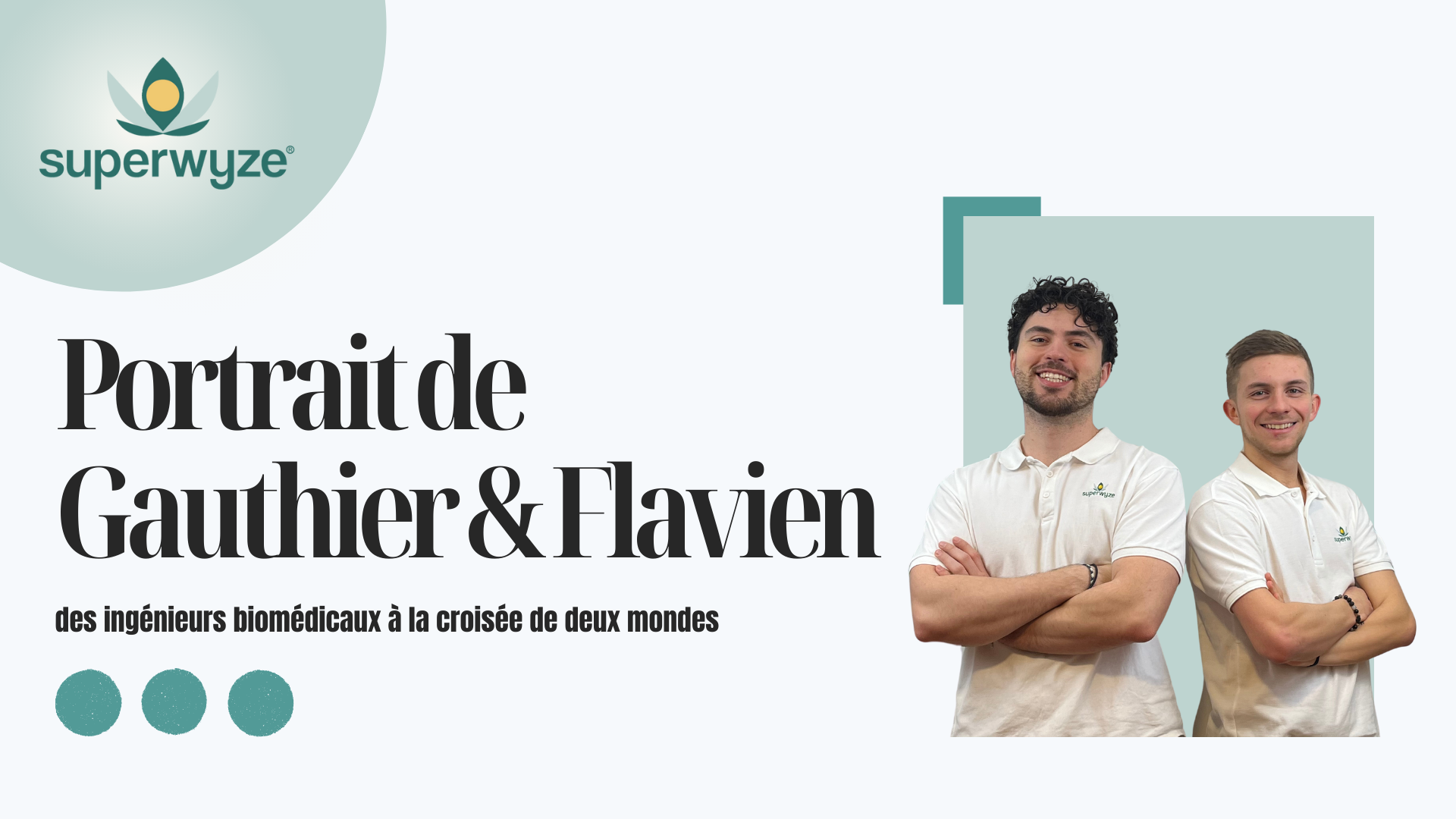
Gauthier and Flavien, two young biomedical engineers, perfectly exemplify the adaptability required to thrive in environments as diverse as hospitals and industry. Their combined experience in these two fields gives them valuable expertise and a unique perspective for any company working with the healthcare sector.
A bridge between the hospital and industry
As the needs of healthcare facilities become increasingly complex, the skills of a biomedical engineer have become essential for healthcare institutions. “The hospital biomedical engineer handles everything from managing the facility’s equipment inventory and organizing the biomedical department to overseeing hospital renovation projects,” explains Gauthier. These experts serve as a strategic link between healthcare staff, management, and technical teams. In industry, their role changes but remains complementary : they design and test solutions by placing user needs at the heart of development, with the aim of improving daily operations in hospitals.

Two worlds light-years apart… or almost
The hospital environment, with its organizational rigidity and budgetary constraints, stands in stark contrast to the dynamism and agility of industrial startups. “In a hospital, every decision takes time. In contrast, at a startup like Superwyze, projects move quickly, and the impact of our work is immediate and visible,” Flavien points out. But these differences aren’t an obstacle, they enrich the careers of those who, like Gauthier and Flavien, have had the chance to experience both worlds.
Experience driving innovation
Through internships in both fields, they have gained a deep understanding of the challenges faced by both sides. This enables them to interpret the expectations of hospital teams while anticipating the technical constraints of the industry. This dual perspective is a major asset. “We know what hospital engineers are looking for. That helps us design solutions that truly meet their needs,” says Gauthier.
Essential qualities : adaptability and resourcefulness
To thrive in both of these fields, adaptability is essential. Gauthier and Flavien are living proof of this. Throughout their careers, they’ve had to adapt to different languages, navigate diverse organizational dynamics, and manage projects with multidisciplinary teams. This flexibility now allows them to balance operational and strategic responsibilities, a rare and valuable skill.
A promising outlook
With their passion for innovation and their commitment to the healthcare sector, Gauthier and Flavien embody a new generation of biomedical engineers. Their journey proves that collaboration between hospitals and industry can be fruitful, provided we invest in talent capable of bridging these two worlds. What if, in the future, such bridges became the norm ?
A wealth of experiences that benefits everyone
For Gauthier and Flavien, having worked in both of these fields is a real asset. “This dual experience makes us more demanding, but also more understanding. We now know how to tailor our solutions to the realities on the ground,” says Flavien. This wealth of knowledge benefits both businesses and hospitals, which get to draw on the expertise of professionals who are equally at home in both settings.
A call to hire biomedical engineers
Gauthier and Flavien agree: companies that work with hospitals should hire more biomedical engineers. Their understanding of how hospitals operate is a real asset when it comes to better meeting the needs of healthcare providers. These versatile professionals, who can combine technical expertise with regulatory requirements, are key to the success of any innovative initiative.
Téléchargez cet article au format PDF pour le conserver et le partager facilement ! 👉🏻